Mulberry Leaves: Potential Health Benefits, Uses, Recipes, and Storage Tips
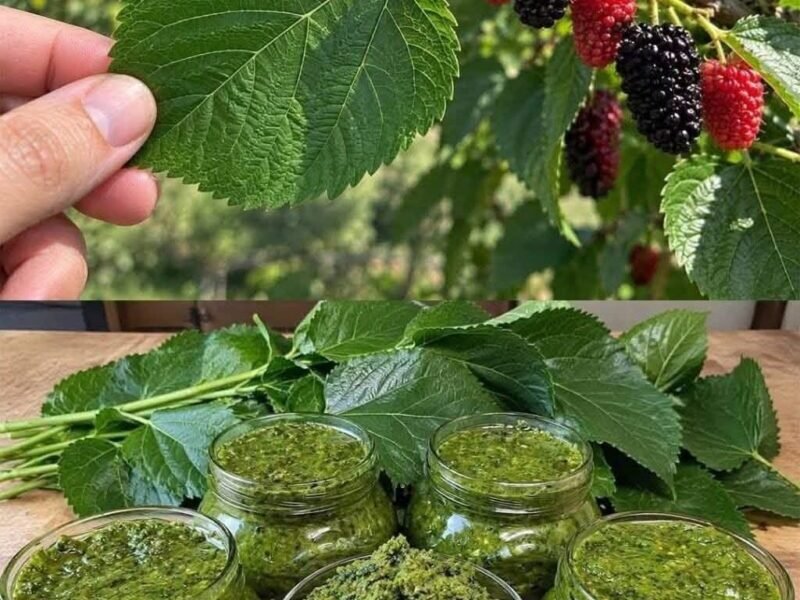
Mulberry trees are best known for their sweet, juicy berries, but their green leaves are also valued in traditional food preparations and herbal practices. For generations, mulberry leaves have been used to prepare herbal teas, cooked vegetable dishes, and other homemade recipes.
Today, mulberry leaves are attracting scientific interest because they contain naturally occurring plant compounds, including antioxidants and a compound called 1-deoxynojirimycin (DNJ). Researchers are studying these compounds for their possible effects on blood sugar levels, cholesterol, and overall metabolic health.
Mulberry leaves are versatile and can be enjoyed in several ways, including as a warm herbal tea, cooked leafy greens, homemade powder, or even a lightly flavored jelly. However, although early research is promising, more studies are needed to understand their health benefits, appropriate amounts, and long-term safety.
In this guide, you’ll discover the potential benefits of mulberry leaves, five simple ways to use them, how to select and store them properly, and important precautions to consider before adding them to your routine.
Why I Love This Recipe and Guide
There are several reasons to appreciate mulberry leaves as a versatile plant ingredient:
- Naturally versatile: Mulberry leaves can be used to prepare tea, vegetable side dishes, homemade powder, and simple desserts.
- Contain plant antioxidants: They provide naturally occurring flavonoids and polyphenols that are being studied for their antioxidant properties.
- Interesting nutritional compounds: Mulberry leaves contain DNJ, a compound researchers are investigating for its potential effects on carbohydrate digestion.
- Easy to prepare: Many mulberry leaf preparations require only a few basic kitchen ingredients.
- A traditional ingredient: They have a history of use in different food traditions and herbal preparations.
- Multiple ways to enjoy them: You can choose a preparation that suits your taste, whether you prefer a warm drink or a cooked dish.
I also appreciate that this guide explains both the potential benefits and the limitations of current research. Mulberry leaves can be an interesting addition to a varied diet, but they should never be treated as a replacement for medical care.
Potential Health Benefits of Mulberry Leaves
Mulberry leaves contain several naturally occurring plant compounds that researchers are investigating. Here are some of the potential benefits currently being explored.
1. May Help Support Healthy Blood Sugar Levels
One of the most researched compounds in mulberry leaves is DNJ. This natural plant compound may inhibit certain enzymes involved in breaking down carbohydrates into simple sugars during digestion.
By slowing this process, some mulberry leaf preparations may help moderate the rise in blood sugar that occurs after eating carbohydrate-rich meals. However, the results can vary depending on the preparation, amount used, and individual health factors.
Important: Mulberry leaves are not a treatment or cure for diabetes. Anyone with diabetes should continue following their prescribed treatment plan and consult a healthcare professional before using mulberry leaf products.
2. Contain Natural Antioxidants
Mulberry leaves contain flavonoids and other polyphenols with antioxidant properties. These plant compounds are being studied for their potential role in protecting cells from oxidative stress.
Oxidative stress occurs when there is an imbalance between free radicals and the body’s antioxidant defenses. Although antioxidants are important for normal biological functions, more human research is needed to understand the specific health benefits of mulberry leaf preparations.
Eating a varied diet that includes fruits, vegetables, legumes, and other plant foods is another practical way to obtain beneficial antioxidants.
3. May Support Heart and Metabolic Health
Researchers have explored whether mulberry leaf extracts may influence blood lipid levels and other markers associated with metabolic health.
Some early findings are promising, but there is not enough strong evidence to conclude that mulberry leaves reliably lower cholesterol, prevent heart disease, or replace cholesterol-lowering medication.
For long-term cardiovascular health, focus on a balanced diet, regular physical activity, appropriate medical checkups, and prescribed treatments when needed.
4. Provide Plant-Based Nutrients
Mulberry leaves contain various nutrients and naturally occurring plant compounds. Their nutritional composition can differ depending on the mulberry variety, growing conditions, maturity, and preparation method.
In some food traditions, properly prepared mulberry leaves are eaten as leafy greens. Including a variety of vegetables in your meals can help provide essential vitamins, minerals, and dietary fiber.
However, the nutritional value of mulberry leaves should not be assumed to meet specific daily requirements without reliable nutritional measurements.
5. May Contribute to Digestive Health
Mulberry leaves contain plant material, including fiber when the leaves themselves are consumed. Properly prepared leaves may contribute to your overall fiber intake, depending on the serving size and preparation method.
Fiber supports normal bowel function as part of a balanced diet. However, strained mulberry leaf tea generally provides much less fiber than eating the leaves themselves.
There is currently insufficient evidence to recommend mulberry leaf tea as a treatment for constipation, bloating, or other digestive disorders.
6. Potential Skin Benefits
Mulberry extracts are sometimes studied for their potential applications in skincare products. Certain compounds found in mulberry plants have attracted scientific interest because of their antioxidant properties and possible effects on skin pigmentation.
However, evidence supporting the use of homemade mulberry leaf tea for acne, dark spots, rashes, or other skin conditions is limited. Results from laboratory studies or specially formulated skincare products cannot automatically be applied to homemade preparations.
If you try a new topical product, test it on a small area of skin first. Avoid applying homemade preparations to broken, irritated, or infected skin.
5 Simple Ways to Use Mulberry Leaves
Mulberry leaves can be prepared in several different ways. Here are five simple ideas to explore at home.
1. Mulberry Leaf Tea
Mulberry leaf tea is a simple herbal infusion with a mild, earthy flavor. It can be enjoyed warm as part of your regular beverage routine.
Ingredients
- 1–2 teaspoons dried mulberry leaves
- 1 cup hot water
Instructions
- Place the dried mulberry leaves in a clean mug or teapot.
- Pour hot water over the leaves.
- Cover and allow the tea to steep for 5–10 minutes.
- Strain the tea into a cup.
- Let it cool to a comfortable drinking temperature before enjoying.
Helpful Tip: Start with a small serving if you have never tried mulberry leaf tea before. The strength of homemade tea can vary, and research involving standardized extracts may not reflect the effects of a homemade infusion.
Do not assume that drinking this tea before meals will prevent blood sugar spikes.
2. Cooked Mulberry Leaves
In some cuisines, mulberry leaves are prepared and served as leafy greens. Cooking them with garlic and olive oil creates a simple side dish.
Ingredients
- 1 handful of correctly identified, food-safe mulberry leaves
- 1 teaspoon olive oil
- 1 small garlic clove, finely chopped
- A small amount of salt, optional
- Water for boiling
Instructions
- Wash the leaves thoroughly under clean running water.
- Remove tough stems and discard any damaged leaves.
- Boil the leaves until tender, following a suitable preparation method for edible mulberry greens.
- Drain the leaves thoroughly.
- Heat the olive oil in a pan over medium-low heat.
- Add the chopped garlic and cook briefly until fragrant.
- Add the cooked leaves and sauté for a few minutes.
- Season lightly with salt, if desired, and serve warm.
Food Safety Note: Only use leaves that have been positively identified as edible mulberry leaves. Avoid trees that may have been treated with pesticides or exposed to road pollution, animal waste, or other contaminants.
3. Homemade Mulberry Leaf Powder
Dried mulberry leaves can be ground into a fine powder and added in small amounts to foods. Proper identification, cleaning, and drying are essential when preparing homemade leaf powder.
What You’ll Need
- Correctly identified, food-safe mulberry leaves
- A suitable food dehydrator
- A clean grinder
- An airtight storage container
Instructions
- Select fresh, undamaged leaves from a safe source.
- Wash them thoroughly and remove excess water.
- Dry the leaves in a food dehydrator according to the manufacturer’s instructions.
- Make sure the leaves are completely dry before grinding.
- Grind the dried leaves into a fine powder using a clean grinder.
- Transfer the powder to a clean, dry, airtight container.
- Store it in a cool, dry place and check regularly for moisture, mold, or unusual odors.
You can experiment with adding a small amount of properly prepared powder to oatmeal, smoothies, or soups.
Remember that homemade powder does not have a standardized concentration of DNJ or other active compounds, so its effects may be unpredictable.
4. Mulberry Leaf Jelly
Mulberry leaf tea can also be used as the base for a lightly flavored herbal jelly. This is a creative way to enjoy the infusion as a dessert rather than as a health treatment.
Ingredients
- 2 cups brewed mulberry leaf tea
- Agar-agar or unflavored gelatin, in the amount specified by the package instructions
- A small amount of sweetener, optional
Instructions
- Brew the mulberry leaf tea and strain it thoroughly.
- Pour the tea into a saucepan.
- Add the agar-agar or gelatin according to the package directions.
- Heat and stir as directed until the gelling agent is properly dissolved.
- Add a little sweetener if desired.
- Pour the mixture into clean serving dishes.
- Allow it to cool, then refrigerate until set.
- Serve chilled as a simple herbal dessert.
Helpful Tip: Follow the instructions on your chosen gelling agent carefully, since agar-agar and gelatin have different preparation requirements.
This recipe is intended for enjoyment. There is no established evidence that turning mulberry tea into jelly increases its health benefits.
5. Cooled Mulberry Leaf Tea Compress
A clean, cooled herbal infusion may feel refreshing on the skin. However, there is insufficient scientific evidence that mulberry leaf compresses treat skin conditions.
How to Prepare It
- Prepare a mild infusion using correctly identified, food-safe mulberry leaves.
- Strain the infusion carefully and allow it to cool completely.
- Dip a clean cloth into the cooled liquid.
- Place the cloth gently on a small area of intact skin for a short period.
- Stop immediately if you notice redness, itching, burning, or discomfort.
- Use a fresh preparation and a clean cloth each time.
Do not apply it to wounds, infected skin, or severe rashes. Seek professional advice for persistent or worsening skin problems.
Tips and Tricks for Preparing Mulberry Leaves
A little care when selecting and preparing mulberry leaves can make a big difference in their quality and safety.
- Identify the plant correctly: Never consume wild leaves unless you are certain they are edible mulberry leaves.
- Choose a clean source: Collect leaves from locations away from busy roads, industrial areas, pesticides, and other possible contaminants.
- Select fresh leaves: Choose undamaged leaves and discard those with spots, discoloration, or signs of spoilage.
- Wash thoroughly: Rinse fresh leaves under clean running water before cooking or drying.
- Remove tough stems: For cooked preparations, remove tough stems and damaged sections.
- Dry completely: When preparing leaf powder, make sure the leaves are completely dry to help prevent mold.
- Use clean equipment: Keep dehydrators, grinders, utensils, and storage containers clean and dry.
- Avoid assuming all preparations are equal: Tea, cooked leaves, powder, and concentrated extracts may contain different amounts of active plant compounds.
- Start cautiously: If you have never consumed mulberry leaf preparations before, avoid starting with large amounts.
- Keep expectations realistic: Mulberry leaves are not a guaranteed treatment for blood sugar problems, cholesterol, or other health conditions.
How to Choose and Store Mulberry Leaves
Proper handling and storage are important when preparing any wild or homegrown plant for consumption.
Choosing Fresh Mulberry Leaves
- Choose leaves from a safe, uncontaminated source.
- Make sure the plant has been correctly identified.
- Avoid leaves collected beside busy roads or industrial areas.
- Do not use leaves from trees that may have been treated with pesticides or other chemicals.
- Select fresh, healthy leaves without visible mold or damage.
Storing Fresh Leaves
Wash fresh leaves thoroughly under clean running water before preparing them. Remove excess water and use them promptly. If you need to keep them temporarily, place them in a clean container in the refrigerator and check for signs of spoilage before use.
Storing Dried Mulberry Leaves
- Make sure the leaves are completely dry before storage.
- Place them in a clean, airtight container.
- Keep the container in a cool, dry location away from direct sunlight.
- Avoid exposing dried leaves to moisture.
- Check regularly for mold, unusual odors, or other signs of deterioration.
Storing Homemade Mulberry Leaf Powder
Transfer completely dried and ground leaves into a clean, dry, airtight container. Store the container in a cool, dry place and always use a dry spoon when handling the powder.
Important Storage Tip: The storage life of homemade dried leaves and powder depends on drying conditions, packaging, and the storage environment. Do not assume they will remain safe or retain the same concentration of active compounds for a full year. Discard anything showing moisture, visible mold, unusual odors, or signs of spoilage.
Important Safety Tips and Precautions
Although mulberry leaves have a history of traditional food use, herbal preparations can still cause side effects or interact with medications.
People taking diabetes medication should be especially cautious. Mulberry leaf preparations may influence blood sugar levels, and combining them with insulin or other glucose-lowering medicines could increase the risk of hypoglycemia, or low blood sugar.
Keep these precautions in mind:
- If you have diabetes: Consult your healthcare professional before using mulberry leaf tea, powder, or supplements regularly.
- If you take medication: Ask a healthcare professional or pharmacist about possible interactions, particularly with medicines that lower blood sugar.
- During pregnancy or breastfeeding: Avoid medicinal use unless your healthcare professional confirms it is appropriate, because safety information is limited.
- If you have allergies: Stop using the product if you develop itching, swelling, a rash, or other signs of an allergic reaction. Seek urgent medical attention for breathing difficulties or swelling of the throat.
- With concentrated supplements: Do not assume that extracts and capsules are equivalent to ordinary cooked leaves or tea.
- With homemade preparations: Use only correctly identified, uncontaminated leaves and follow appropriate food-safety practices.
- For ongoing health conditions: Never replace prescribed medicines or recommended medical care with mulberry leaf remedies.
Frequently Asked Questions
Can I Drink Mulberry Leaf Tea Every Day?
There is not enough evidence to establish a universally safe daily amount for homemade mulberry leaf tea. If you plan to drink it regularly, consult a healthcare professional, particularly if you have a medical condition or take prescription medication.
Can Mulberry Leaves Help Control Blood Sugar?
Some studies suggest that particular mulberry leaf preparations may reduce the rise in blood sugar after carbohydrate-rich meals. However, the effects depend on the preparation and individual circumstances. Mulberry leaves should not replace diabetes medication, dietary guidance, or blood glucose monitoring.
Can I Eat Fresh Mulberry Leaves?
Mulberry leaves are eaten in some food traditions, but they must be correctly identified, sourced from a safe location, thoroughly washed, and appropriately cooked. Avoid eating raw leaves from unknown trees or areas that may have been chemically treated.
Can Mulberry Leaves Treat Skin Problems?
There is insufficient evidence that homemade mulberry leaf tea or compresses can treat acne, dark spots, eczema, or rashes. If you have a persistent skin problem, consult a qualified healthcare professional or dermatologist.
Do Mulberry Leaves Have Side Effects?
They may cause digestive discomfort in some people and may affect blood sugar levels. The risk can differ between ordinary food preparations, herbal teas, and concentrated supplements. People taking glucose-lowering medication should seek professional advice before using them.
Are Mulberry Leaf Tea and Mulberry Leaf Supplements the Same?
No. Tea, cooked leaves, powders, and concentrated extracts can contain different amounts of active compounds. Research conducted on a standardized supplement may not apply to a homemade tea or food recipe.
Final Thoughts
Mulberry leaves are a versatile plant ingredient with a long history of traditional use. They can be prepared as herbal tea, cooked as leafy greens, or incorporated into simple homemade recipes such as leaf powder and jelly.
Their naturally occurring compounds, particularly DNJ and various antioxidants, have attracted scientific interest because of their potential effects on carbohydrate digestion and metabolic health. Nevertheless, many proposed benefits still require stronger evidence from well-designed human studies.
The best approach is to use properly identified and safely prepared leaves, enjoy them cautiously as part of a varied diet, and seek professional guidance before using them for medicinal purposes. Natural ingredients can complement healthy habits, but they are not guaranteed treatments for diabetes, heart disease, skin conditions, or other illnesses.